



 |
Max Pressure (Mpa) |
3 |
|
Test Pressure (Mpa) |
4.5 |
|
Volum Per Channel (L) |
0.25 |
|
Exchange area (m2) |
0.095 |
|
Max Tempt (¡æ) |
225 |
 |
A |
192 |
|
B |
616 |
|
C |
92 |
|
D |
519 |
|
E |
11+2.35n |
|
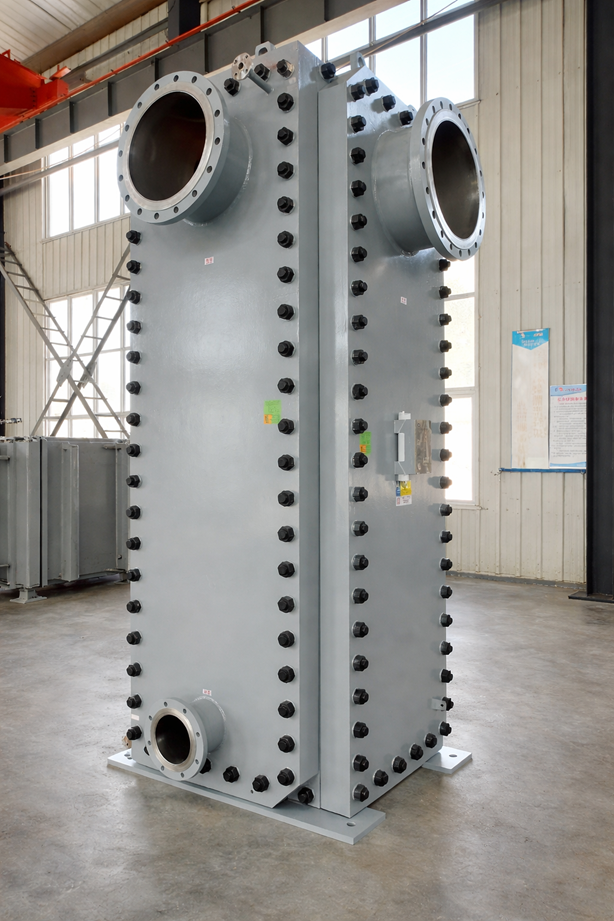
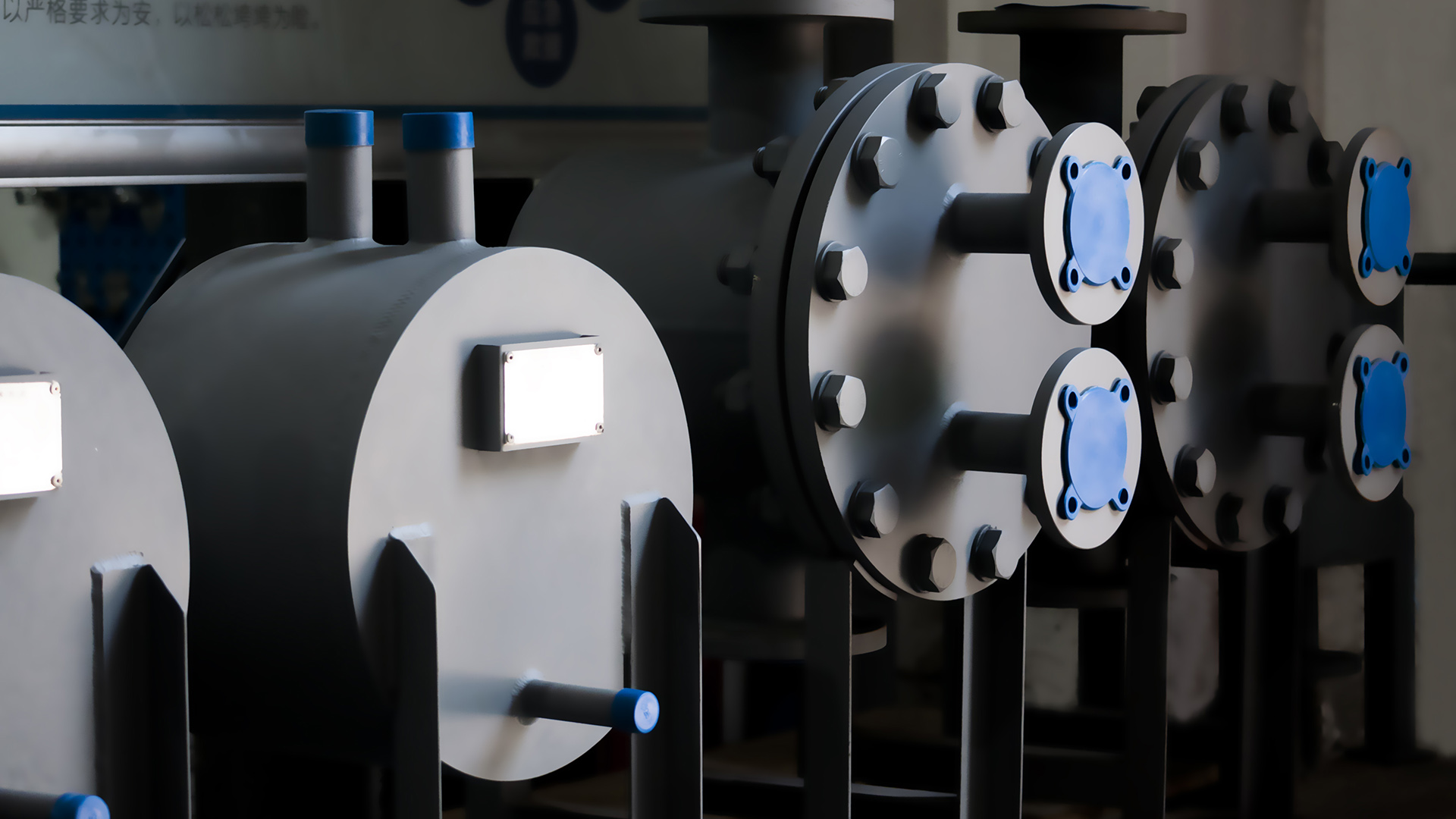
Detailed Product Description
¡¡
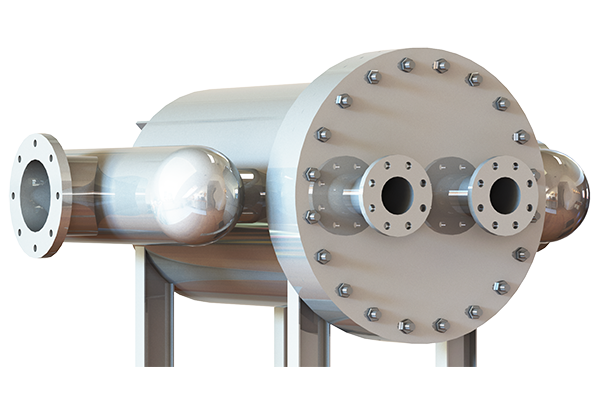
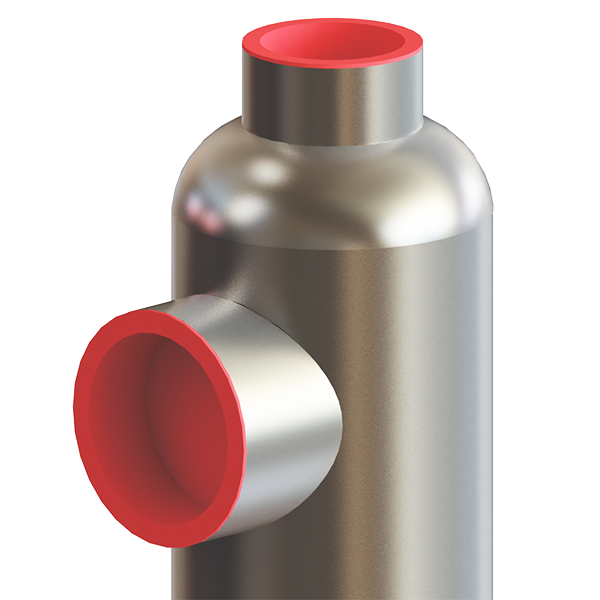
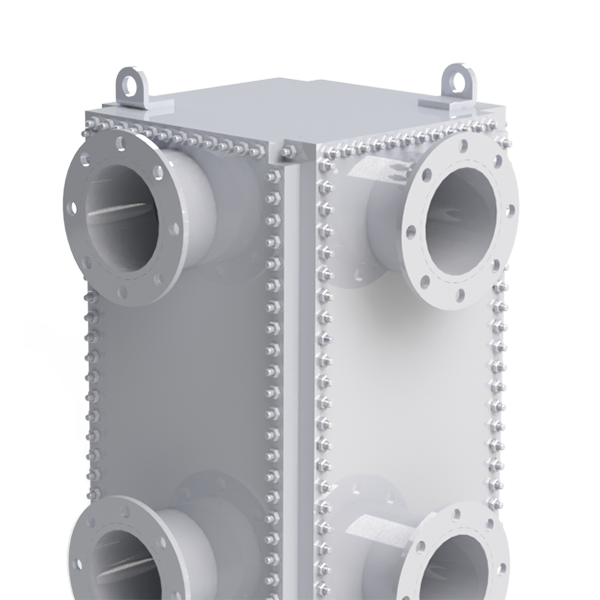
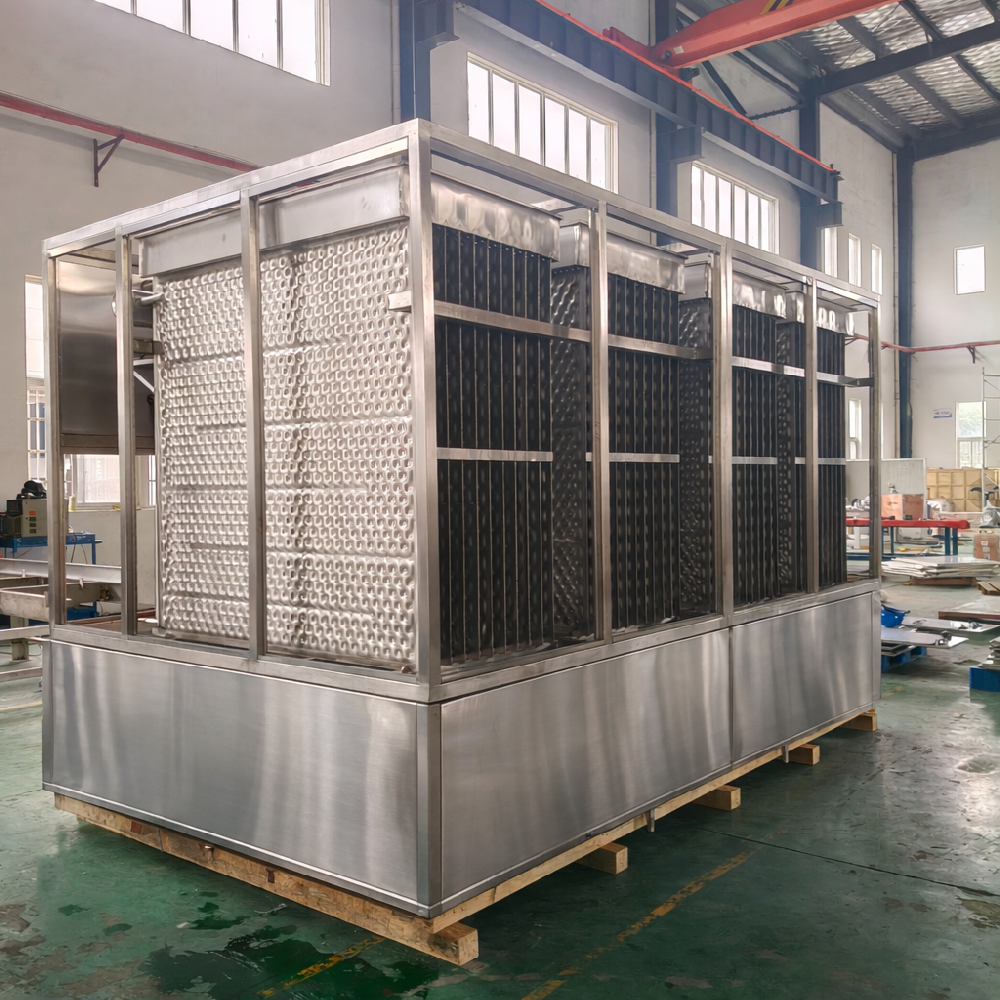
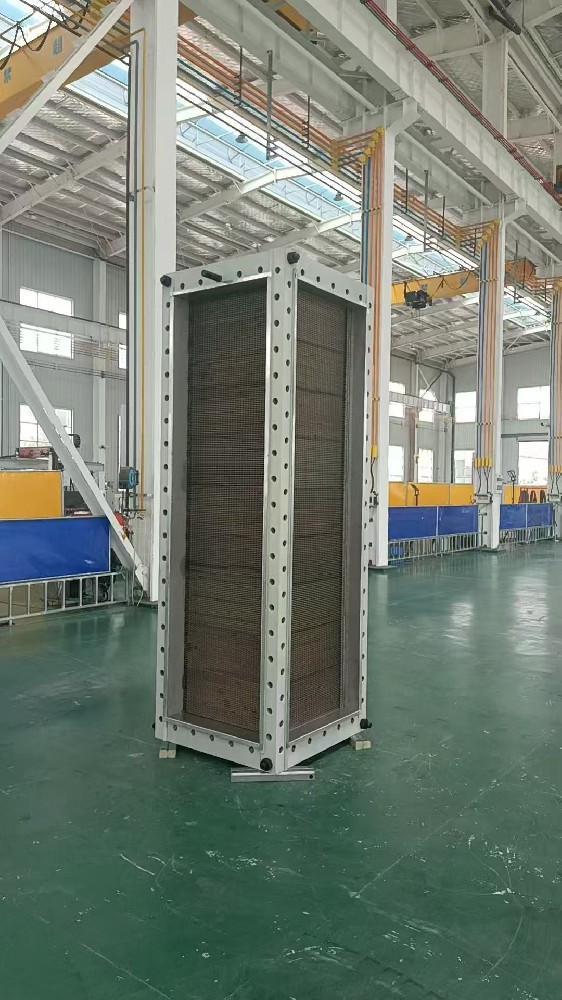
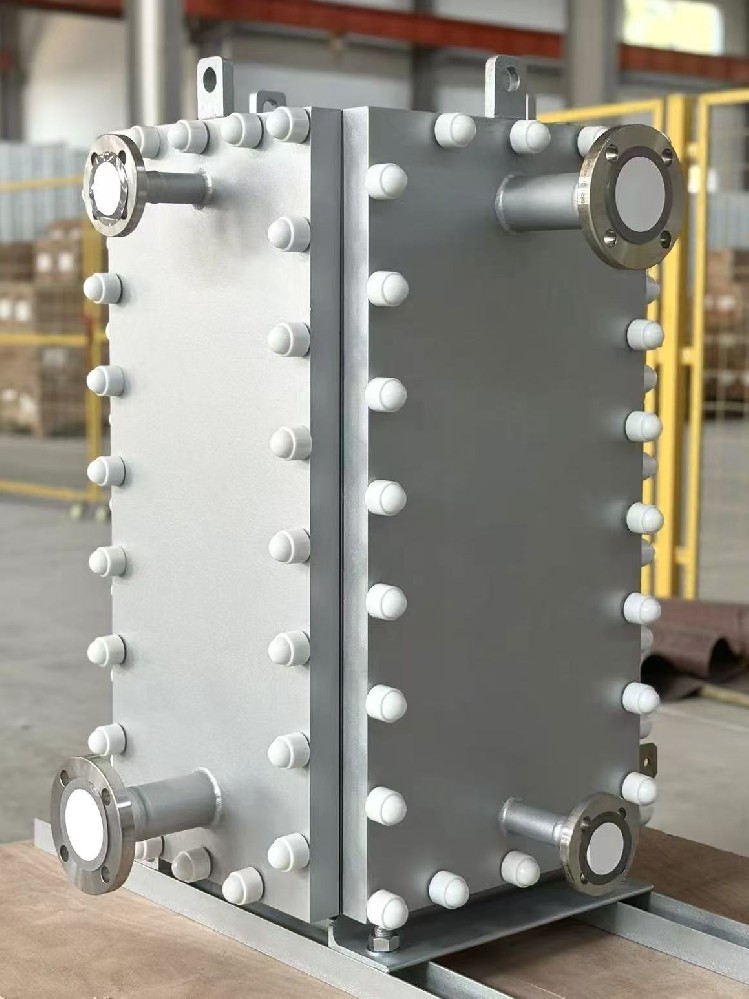
Refrigerated Air Dryer Heat
Exchanger Stainless Steel Plates Low Energy
Consumption
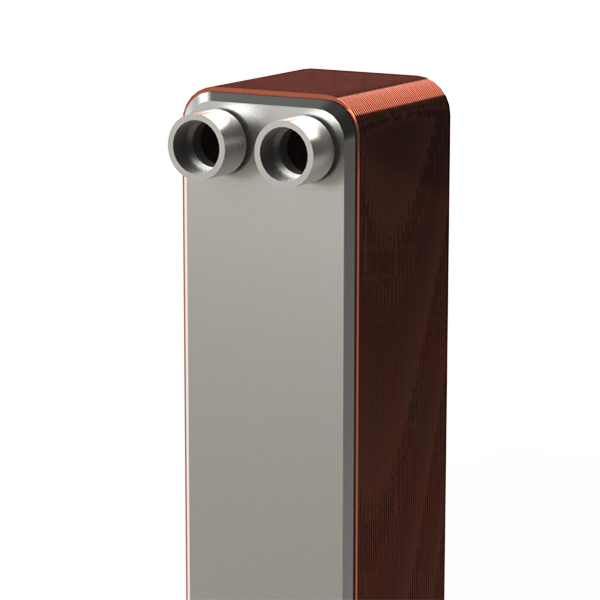
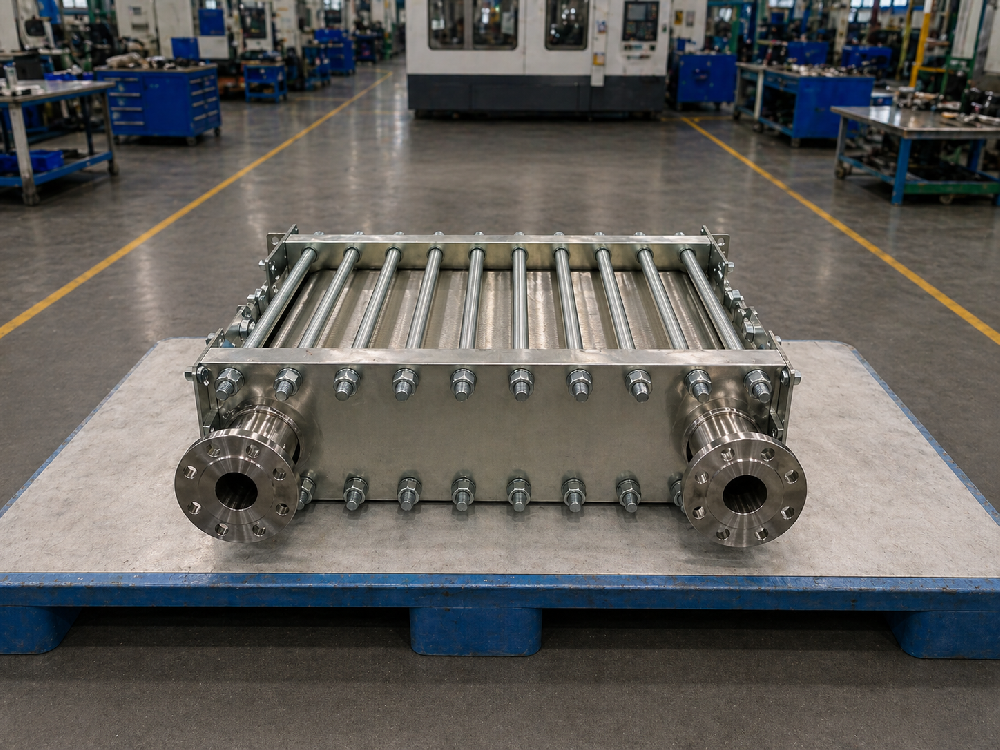
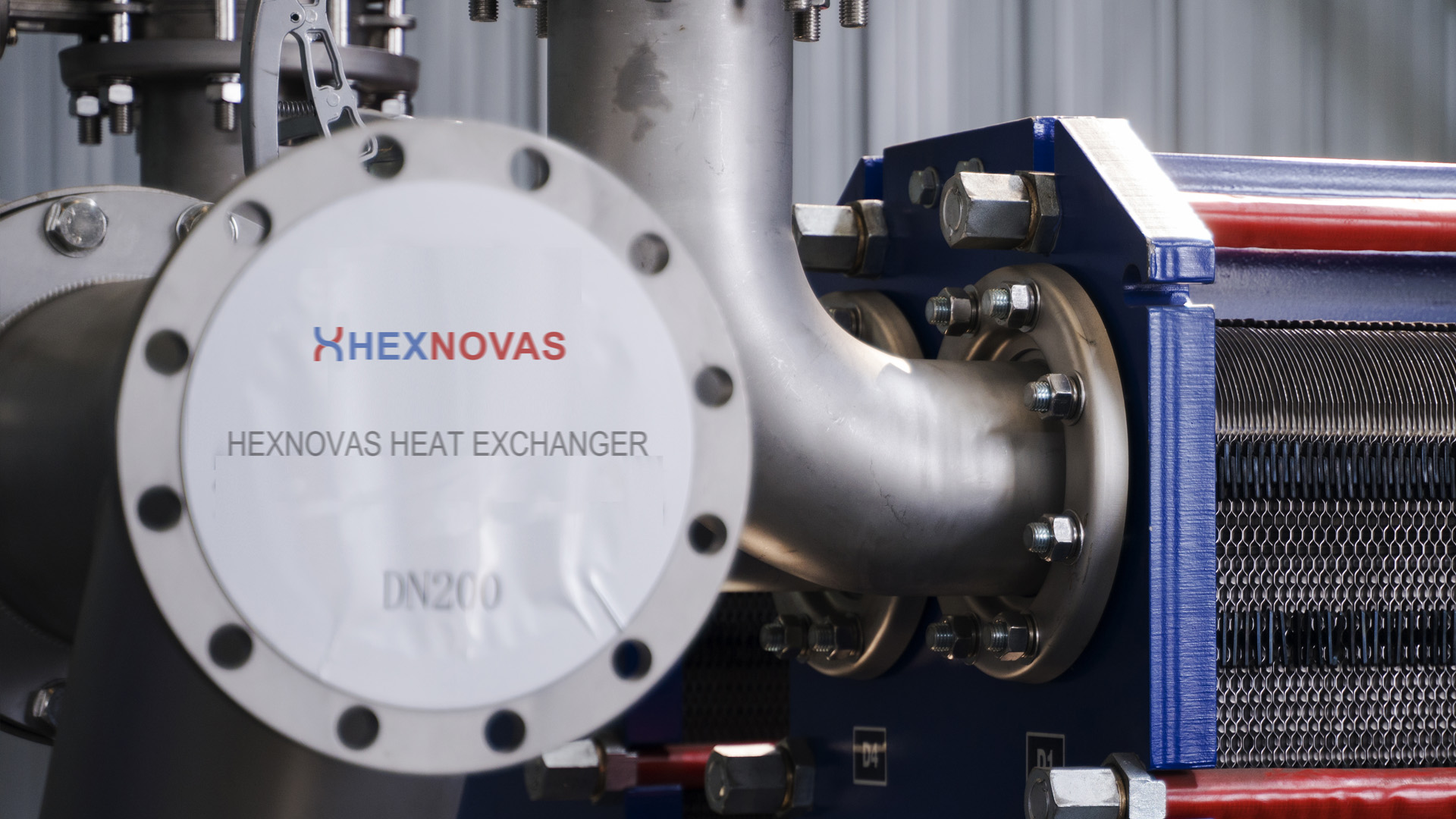
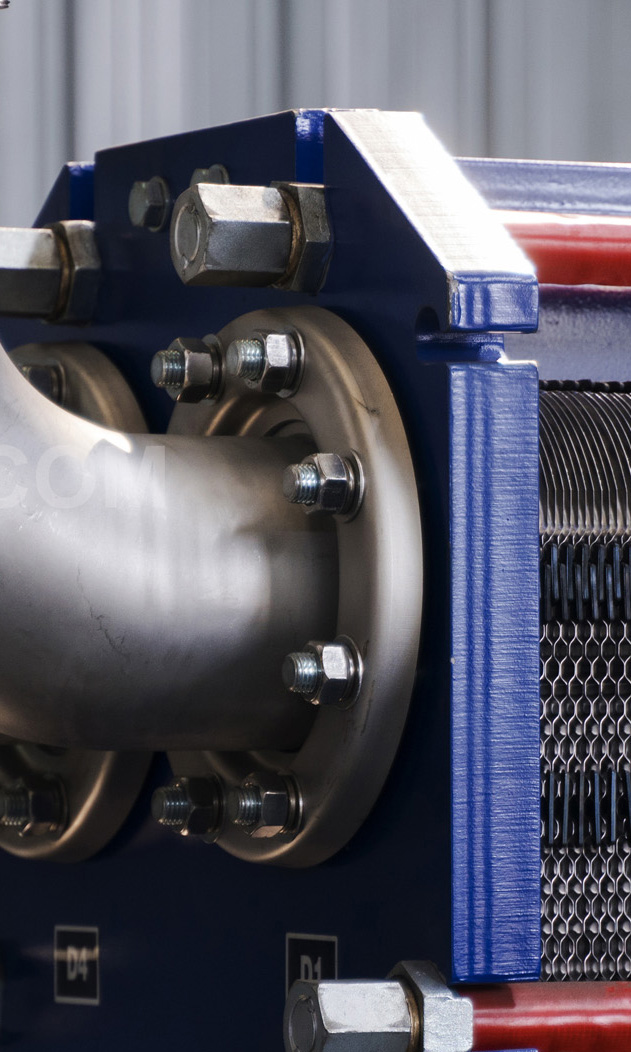
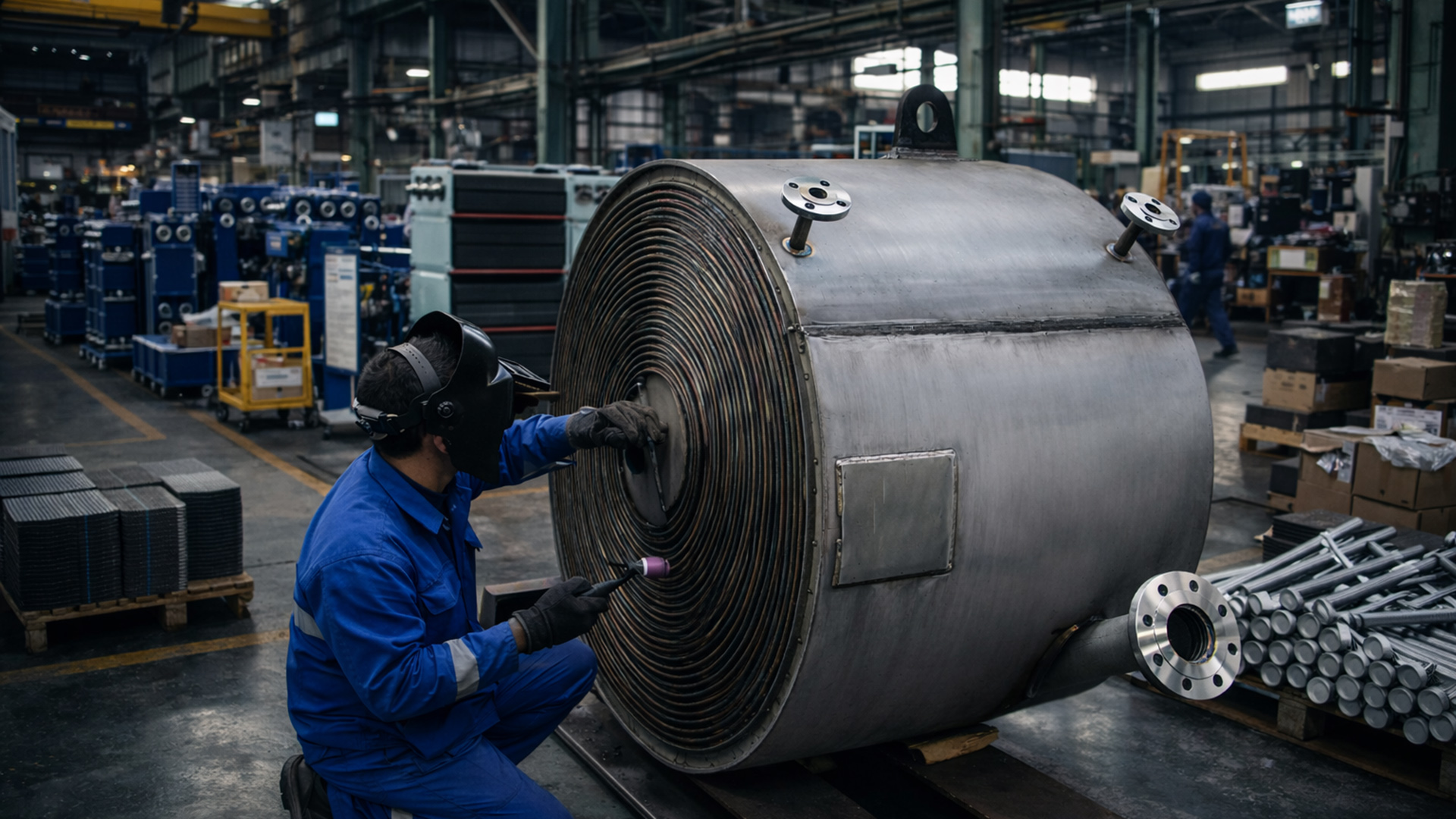
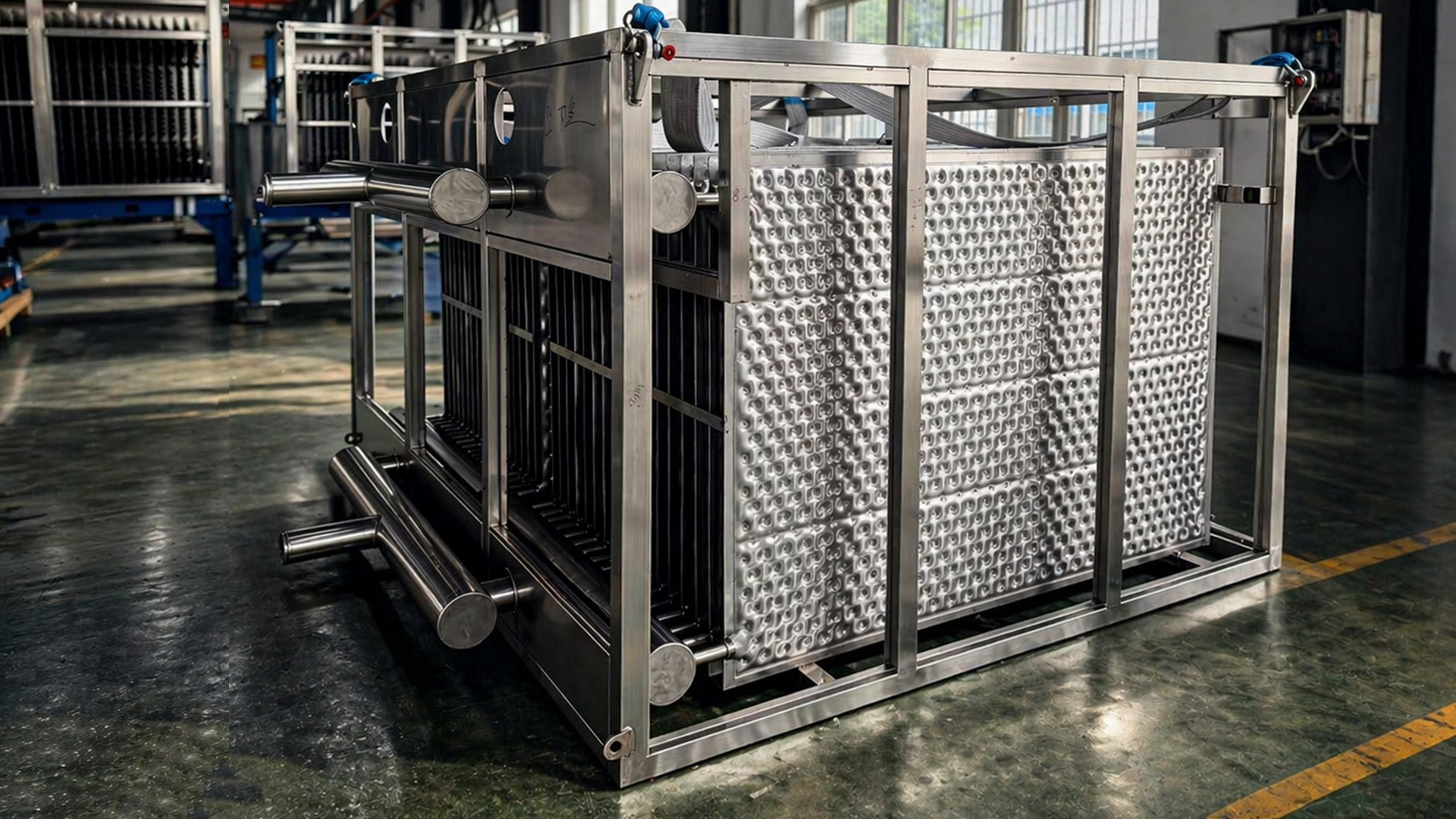
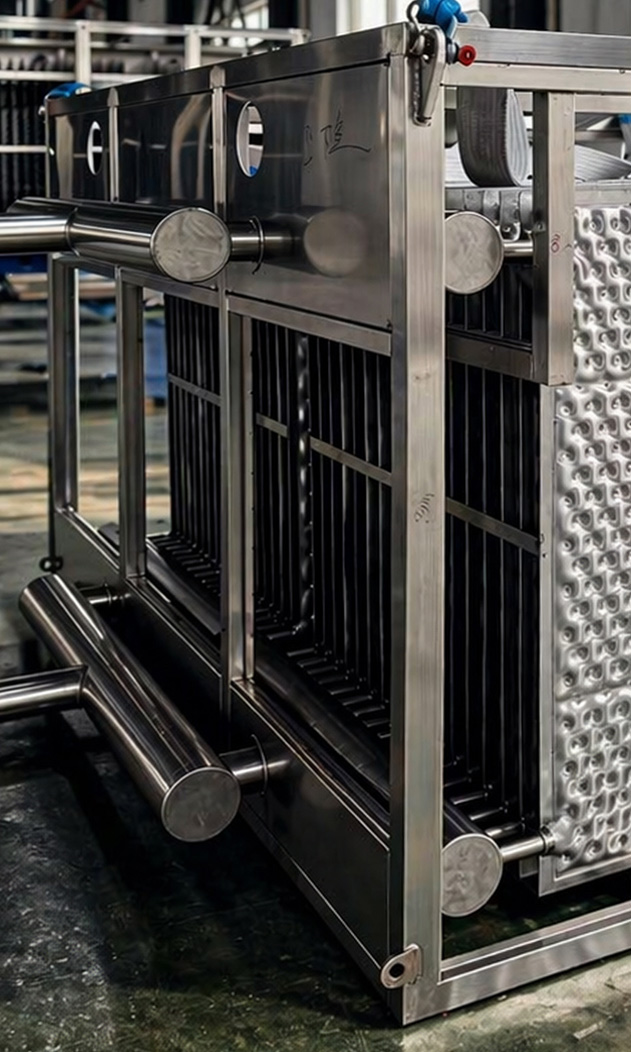
The heating surface consists of
thin corrugated stainless steel plates that
are compressed together to form a plate
pack. Channels are formed between the plates
and the ports are arranged so the media
flows through alternate channels in full
counter current flow. Media is directed by a
brazed seal enhanced with contact points to
contain the media flow pressure. Convenient
location of air in- and outlet on the same
side. Water is separated at the coldest
point and then exits through a drain.
Features and advantages
Low energy consumption due to the
very low pressure drop over the heat
exchanger.
Excellent thermal performance.
Two combined heat exchangers, consisting of
both the air to air heat recovery and air to
refrigerant.
Integrated connection with heat recovery
that requires no additional piping.
Convenient connection locations.
All refrigerant connections are on one side,
air and water drain on the opposite side.
Stainless steel for reliability and long
life.
Compact: The corrugated compressed plates
significantly reduce the total air dryer
size
Refrigerated air dryers separate humidity from compressed air by cooling the air in an evaporator. This cooling
effect comes from the evaporation of the refrigerant. As the air cools,
it looses its ability to hold moisture. The condensate is then collected and removed in a separator.
A heat recovery air to air heat exchanger that reheats the air to ambient temperature is in the dryer for optimal efficiency.
The coldest temperature in the system determines the "dew point". "Dew point" is the temperature at which the
water vapor in the air starts to condense in the water separator.
This is normally maintained slightly above the freezing point of water,
2-5 ¡ãC (35-40 ¡ãF).The humid air enters into the heat exchangers and cools down in the air to refrigerant. This humid air then moves
into a separator and then dry air is preheated in the heat recovery side. The total air side pressure drop is typically 20-30 kPa (3-4 psi)
¡¡ |