

|
¡¡ |
|
|
|
Baode
Sanitary Gasket plate heat exchaner for Milk Pasteurization
|
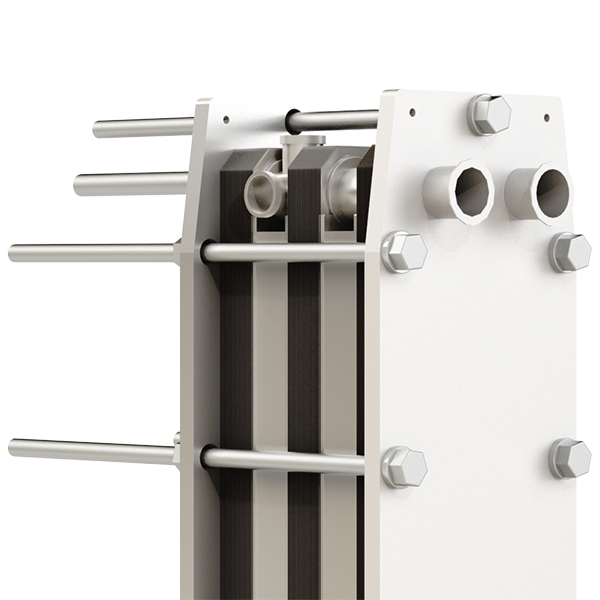
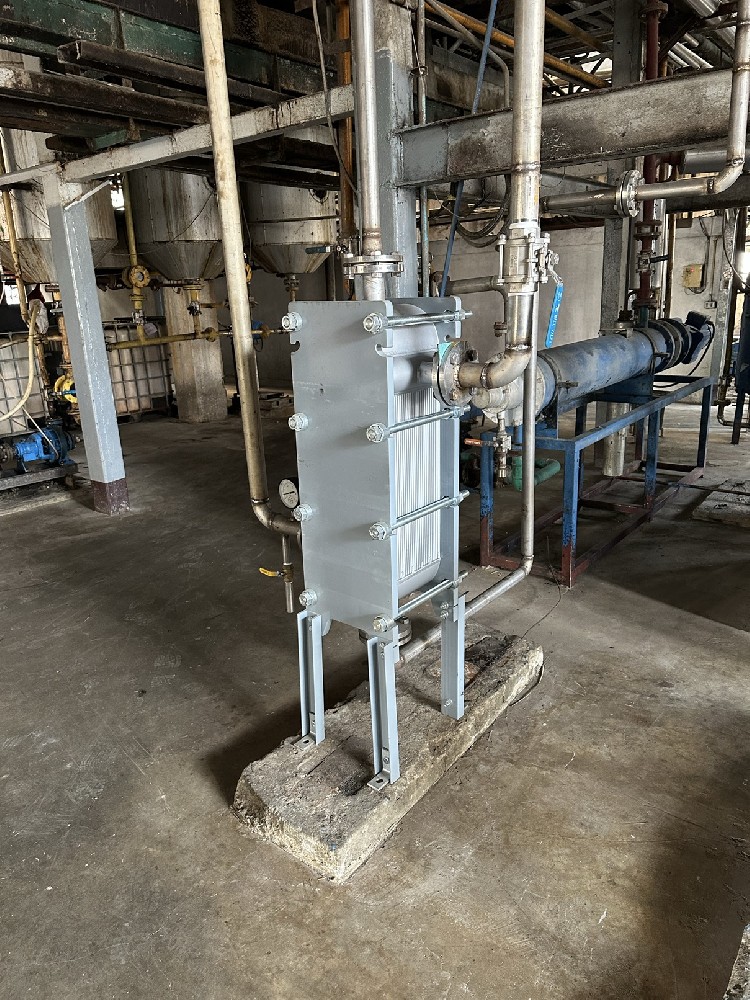
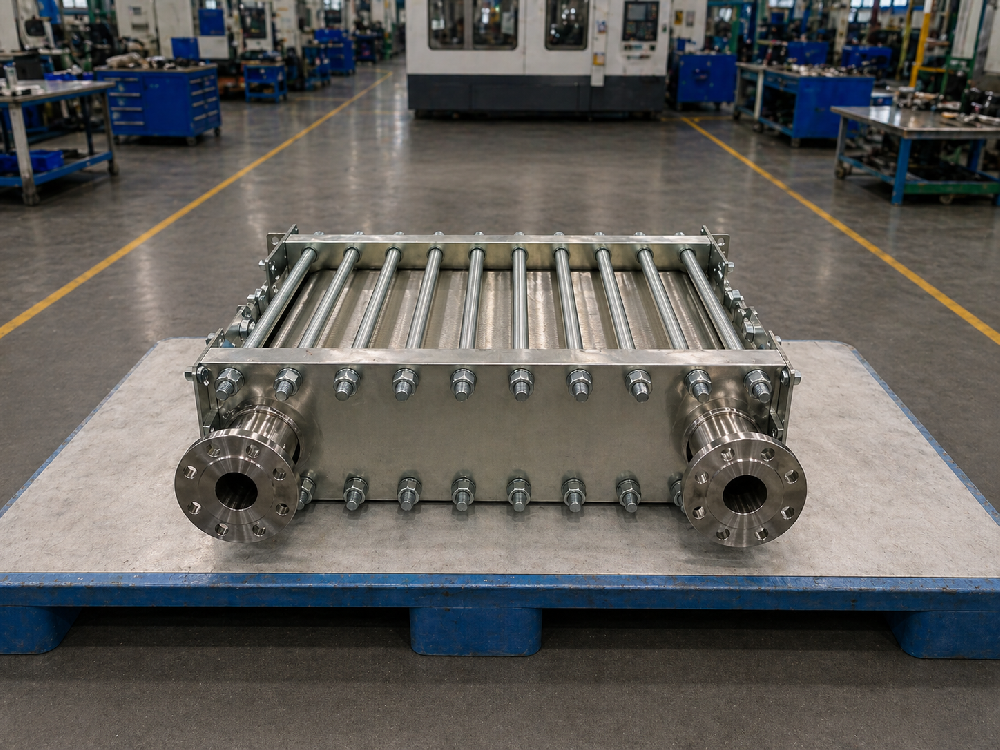
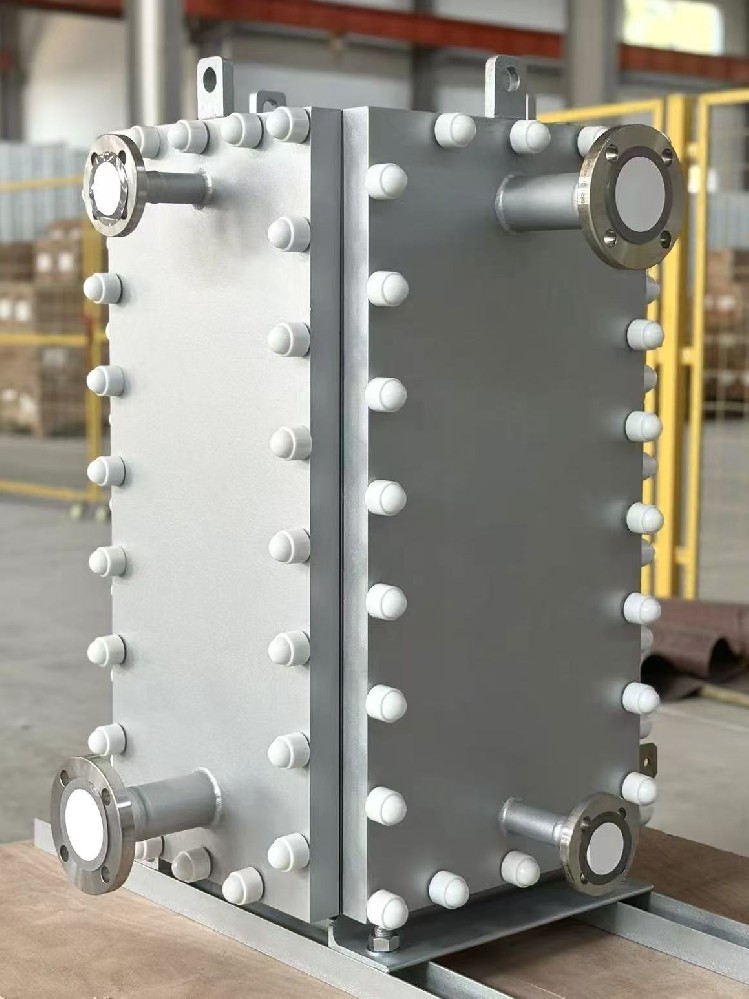
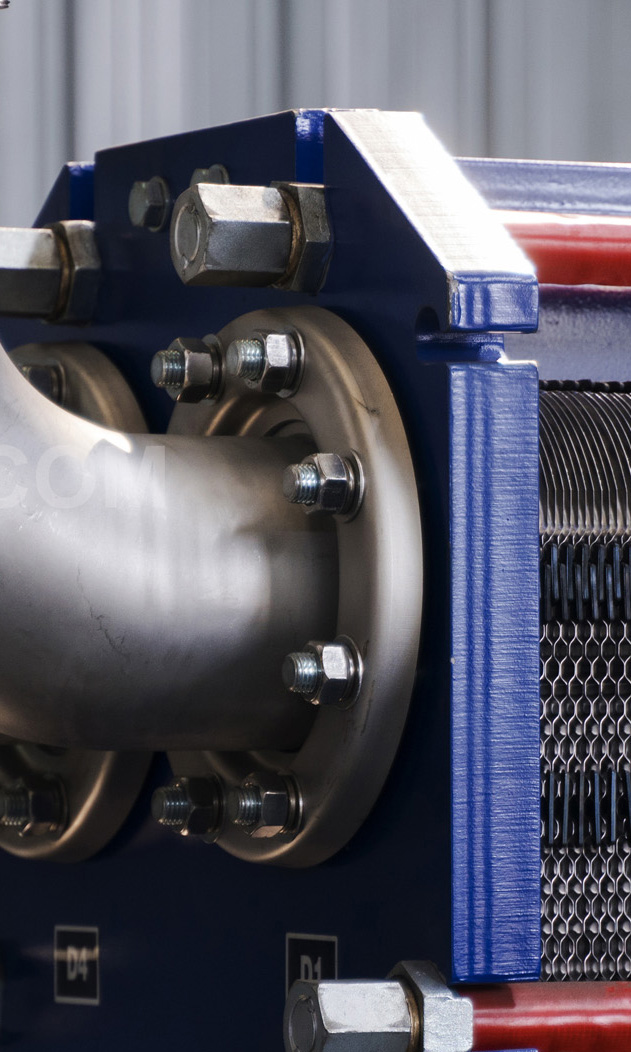
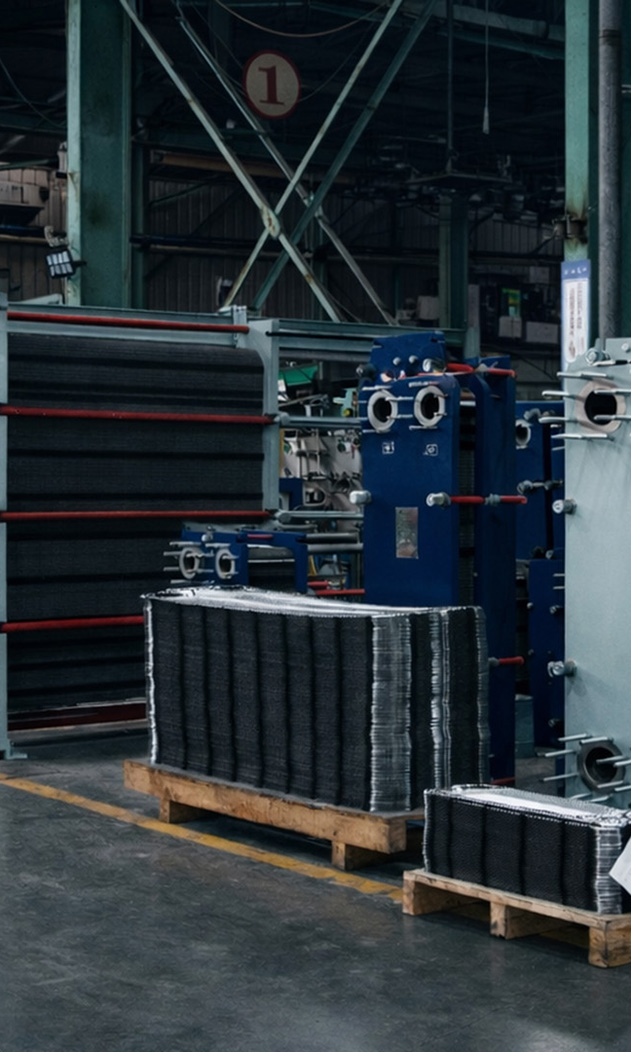
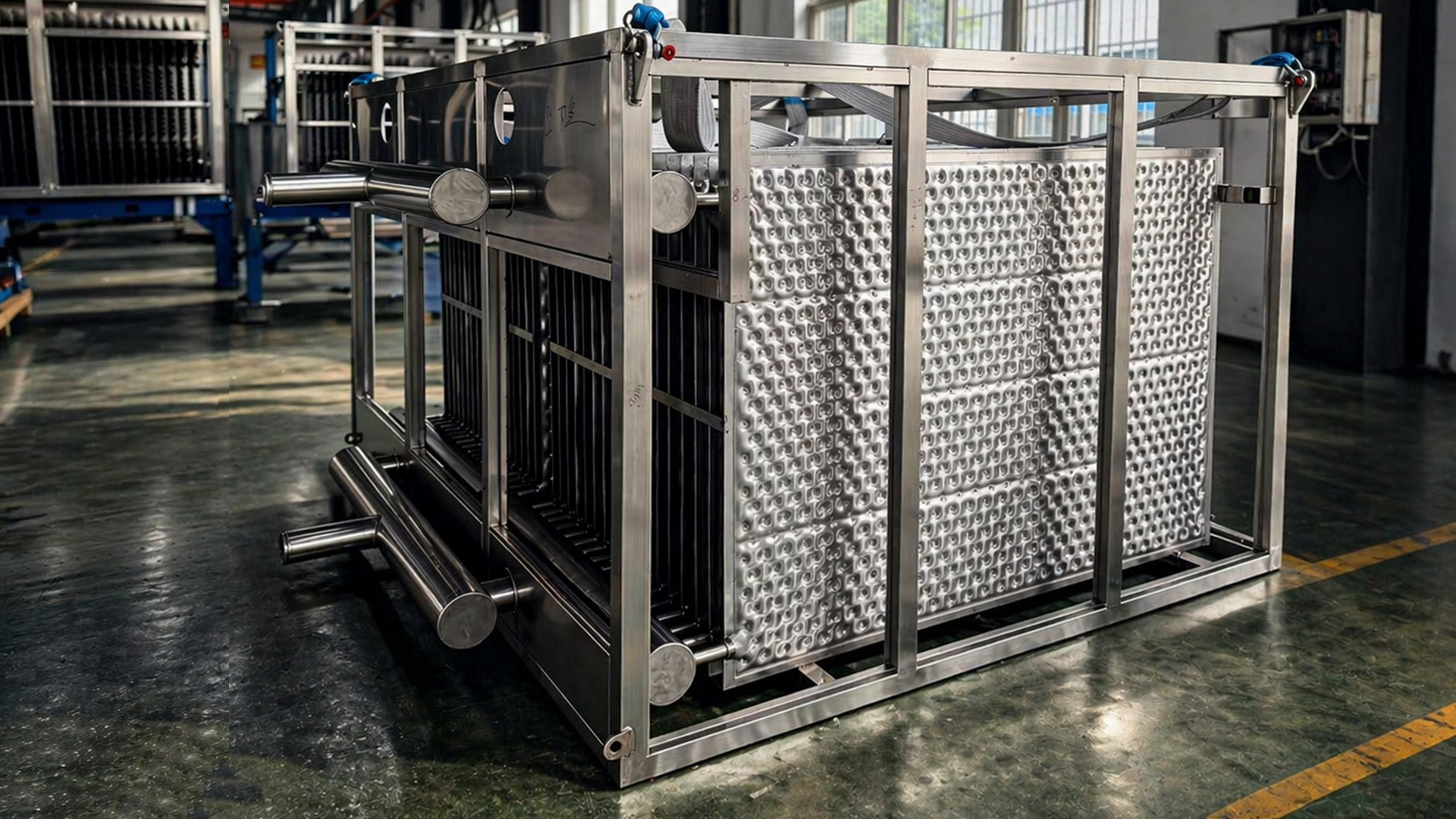
The sanitary plate heat exchanger range of Baode plate heat exchangers is specially designed and configured for less demanding heat transfer duties where excellent hygiene and good performance are nevertheless key criteria.
The sanitary PHE feature a reliable, compact and hygienic design. They are ideal for pasteurization duties, and are also a cost-effective solution for a broad spectrum of cooling and heating duties in conjunction with dairy, brewery and pharmaceutical products, as well as fruit juices, milk and Wine, Alcoholic Beverages, Carbonated soft drinks, Mineral water, Beer and Wort, Cream, Prepared foods, Jams and Sauces.
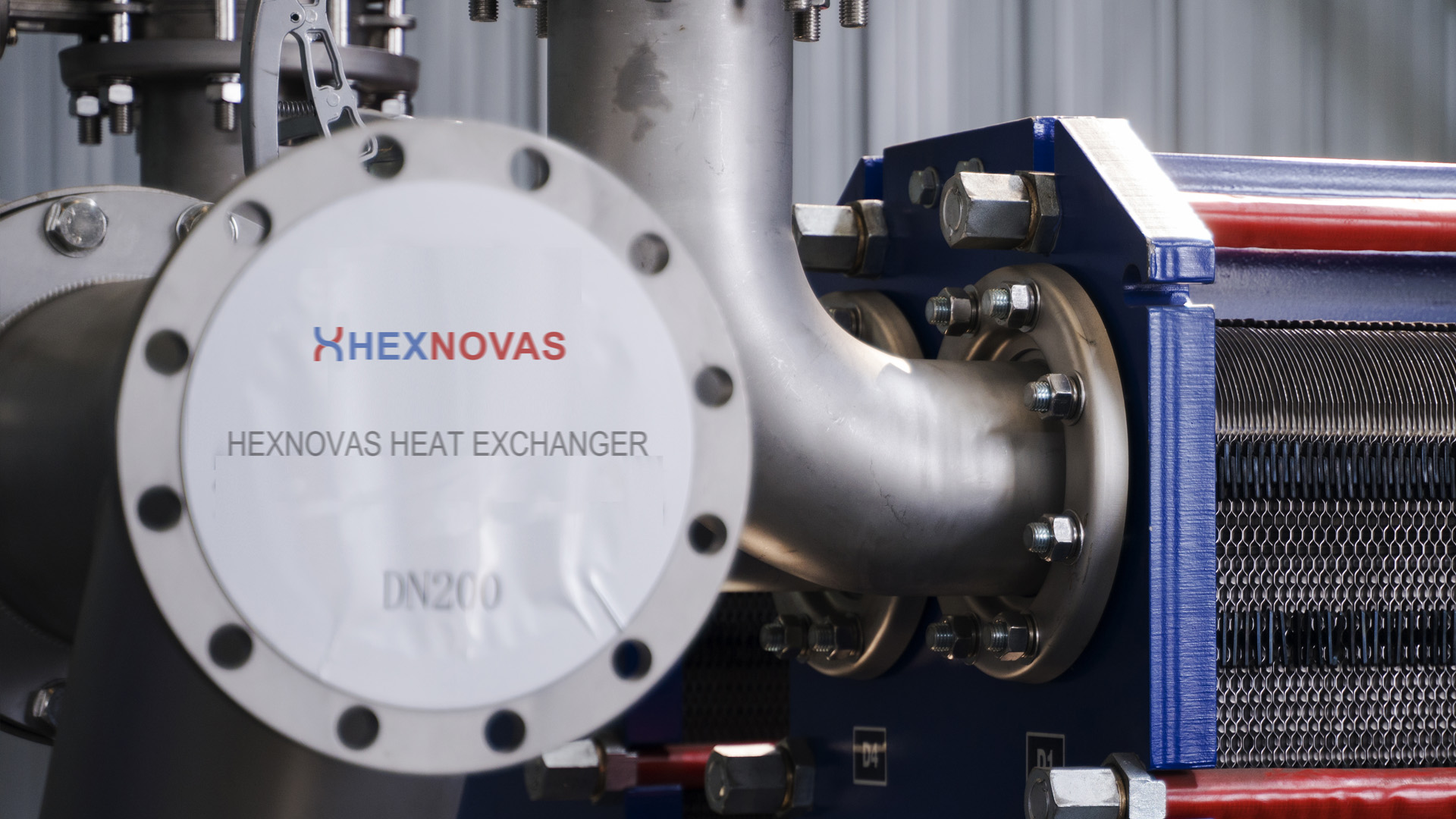
A wide range of other different types of heat exchanger plates is also available. These are supplied with special glue-free Clip-On gaskets, a design that makes them easy to replace ¨C with no tools needed
Pasteurization Process Technology - The process of pasteurization was named after Louis Pasteur, a French chemist / microbiologist, who discovered that spoilage organisms could be inactivated in wine by applying heat at temperatures below its boiling point. Actually he only needed to heat the wine to 131 ¡ãF (55 ¡ãC) for a few minutes to kill the microorganisms that caused the wine diseases. The process was later applied to beer and milk (and many other products) and remains one of the most important unit operations in food, dairy and beverage processing facilities.
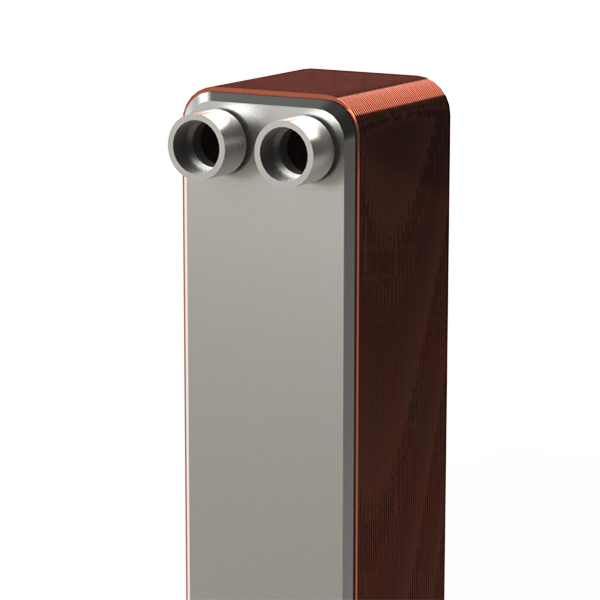
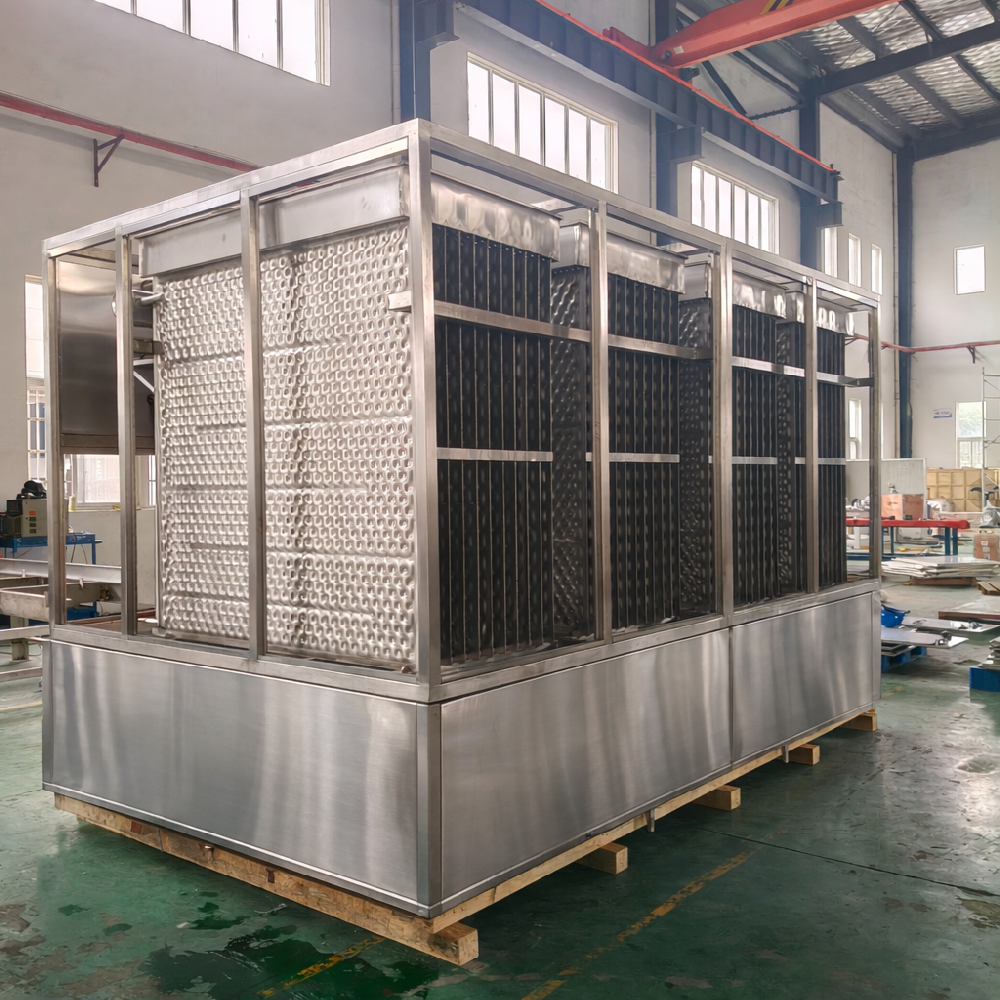
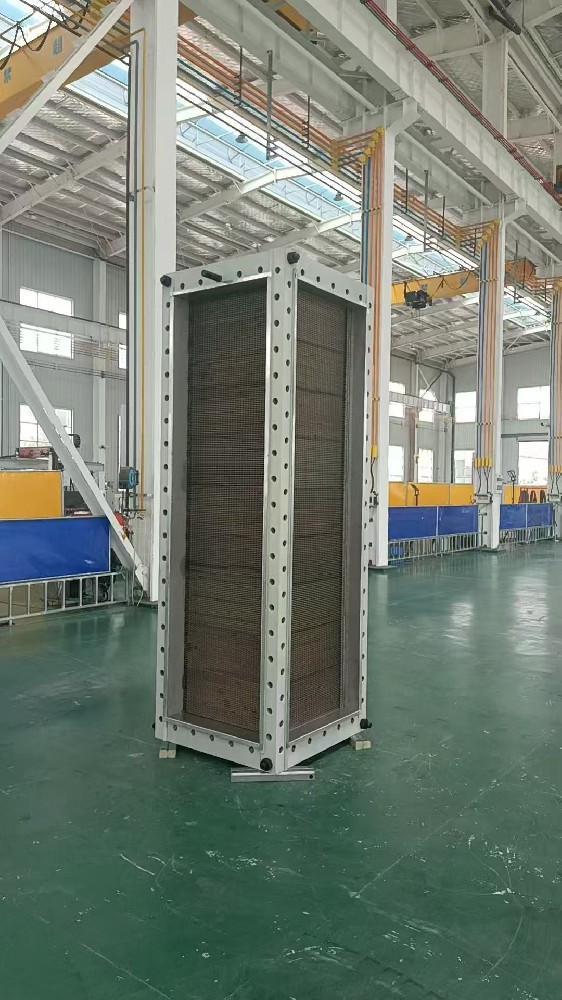
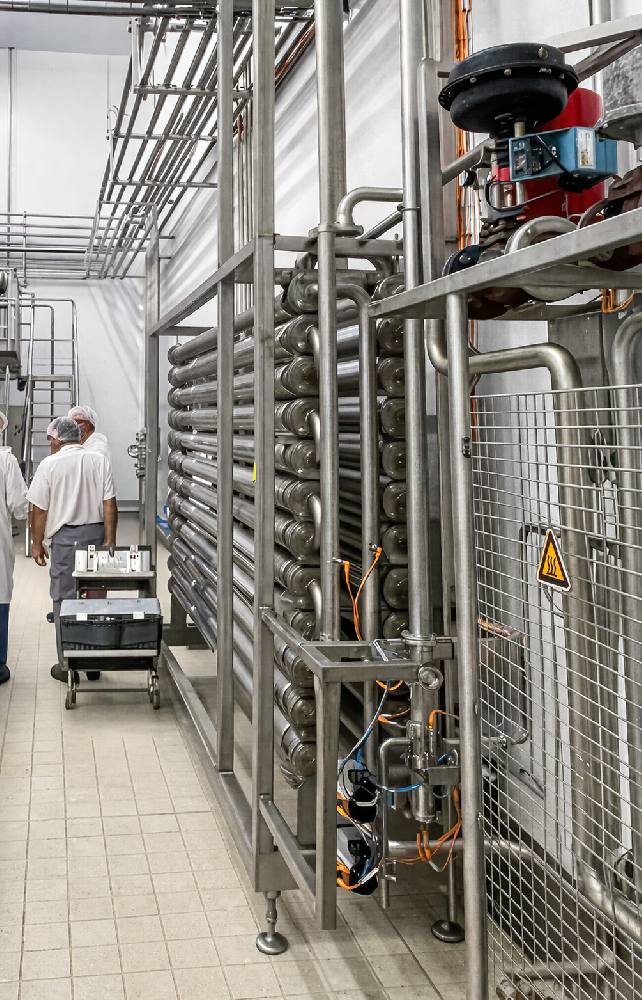
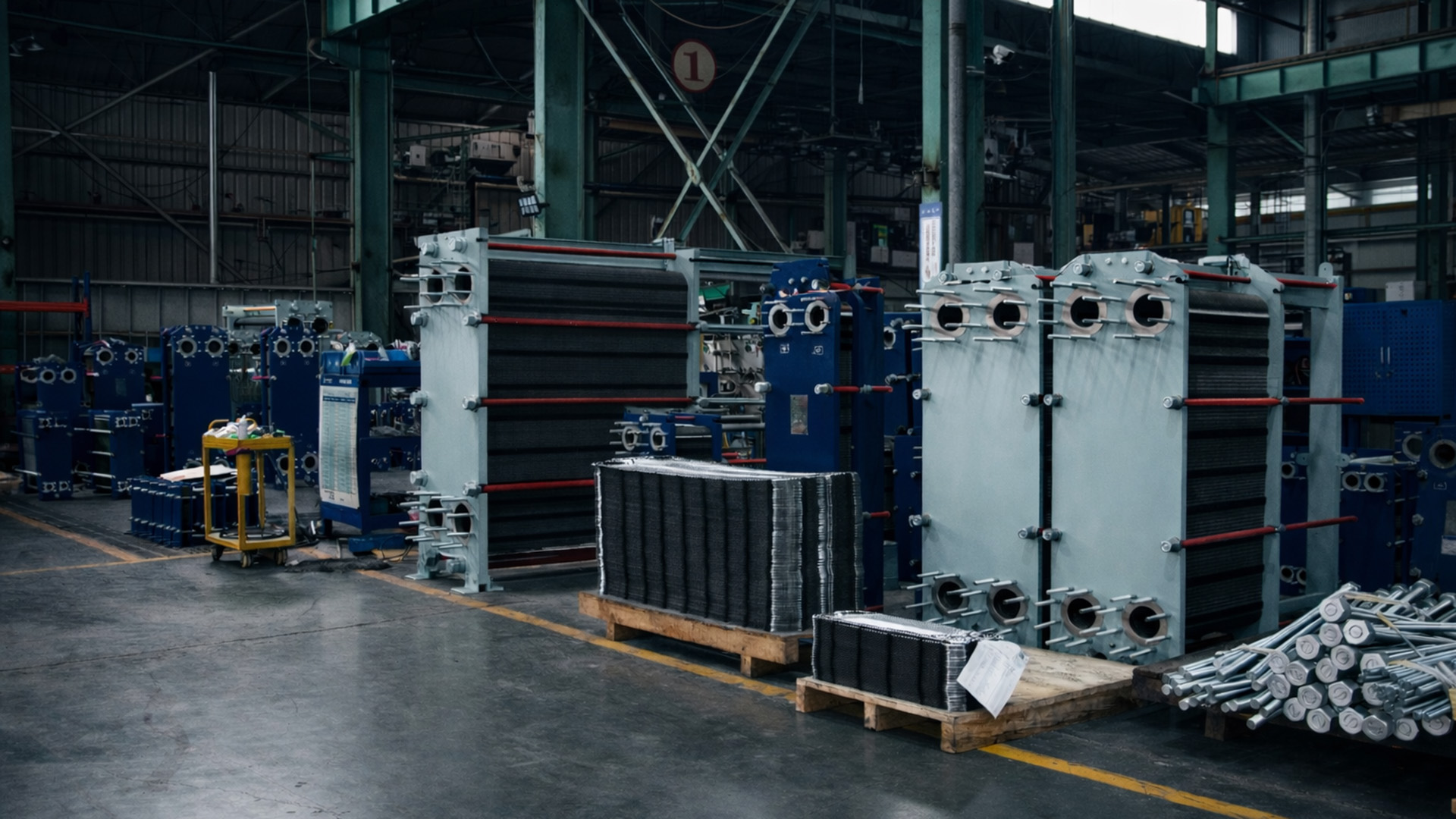
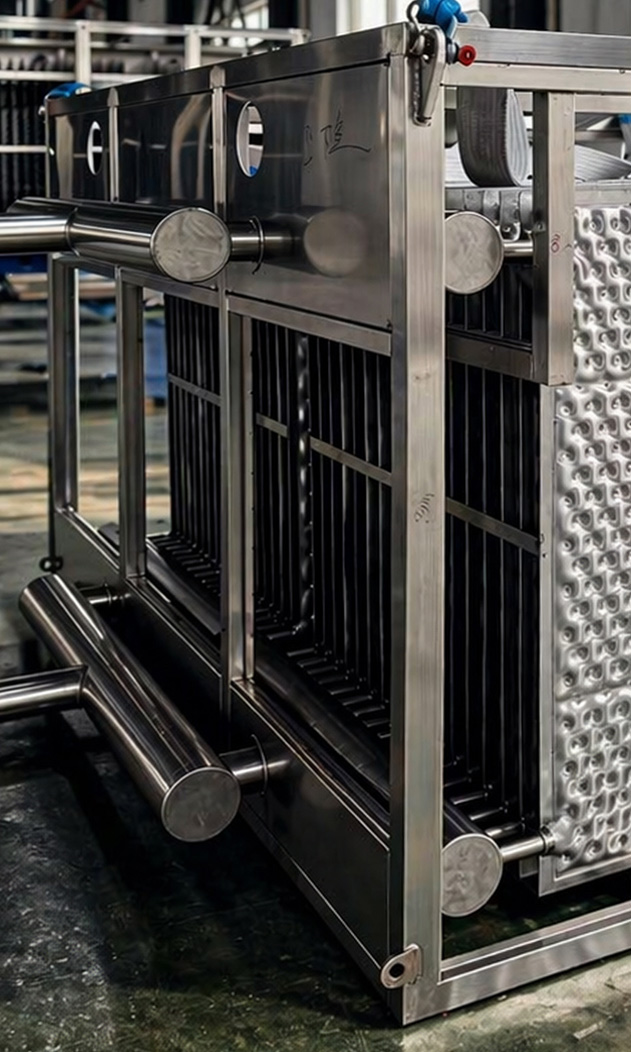
Continuous pasteurization has numerous advantages over the batch (a.k.a. vat) pasteurization. The most important being time, hygiene and cost of operation (i.e. energy saving). For most continuous pasteurization processes, a high temperature short time (HTST) pasteurizer is employed. The heat treatment can be achieved by using either a plate heat exchanger (PHE) or a tubular heat exchanger. The plate heat exchanger consists of a stack of corrugated stainless steel plates clamped together in a frame. There are several flow patterns that can be used depending on the application (wide gap cross-section for liquids with pulp and fiber, double-wall plate heat exchangers preventing cross-contamination, energy efficient plates with the best heat-transfer patterns, etc). Gaskets are used to define the boundaries of the channels and to prevent leakage. The heating medium is normally steam or hot water.
| Dairy Pasteurization Table - note that the temperatures and the pasteurization times are not applicable for egg products. |
| Temperature |
Time |
Pasteurization Type |
| 63¡ãC (145¡ãF) |
30 minutes |
Vat Pasteurization |
| 72¡ãC (161¡ãF) |
15 seconds |
High temperature short time Pasteurization (HTST) |
| 89¡ãC (191¡ãF) |
1.0 second |
Ultra Pasteurization (UP) |
| 90¡ãC (194¡ãF) |
0.5 seconds |
Ultra Pasteurization (UP) |
| 94¡ãC (201¡ãF) |
0.1 seconds |
Ultra Pasteurization (UP) |
| 96¡ãC (204¡ãF) |
0.05 seconds |
Ultra Pasteurization (UP) |
| 100¡ãC (212¡ãF) |
0.01 seconds |
Ultra Pasteurization (UP) |
| 138¡ãC (280¡ãF) |
2.0 seconds |
Ultra-high temperature (UHT) Sterilization |
| Source: IDFA website. Page headlined: Pasteurization: Definition and Methods - http://www.idfa.org/files/249_Pasteurization%20Definition%20and%20Methods.pdf (PDF). |
¡¡
|
.
Pasteurizer
- Balance tank
- Feed pump
- Flow controller
- Regenerative preheating sections
- Centrifugal clarifier
- Heating section
- Holding tube
- Booster pump
- Hot water heating system
- Regenerative cooling sections
- Cooling sections
- Flow diversion valve
- Control panel
|
Plate Heat Exchanger
Spares |