

กก |
All
engines use oil as a lubricant to seal the
compression chamber and reduce piston wear and
friction. Friction and the heat from combustion
increase the oil temperature, reducing its
viscosity.
If the oil temperature
becomes too high, the low viscosity makes the
protective oil film too thin for effective
protection and sealing. The result is increased
wear on moving parts, reduced efficiency for the
machine and a shorter life for the oil. The
excess heat in the lube oil must be removed
efficiently with minimal pressure-drop and
impact on weight and space, which demands a
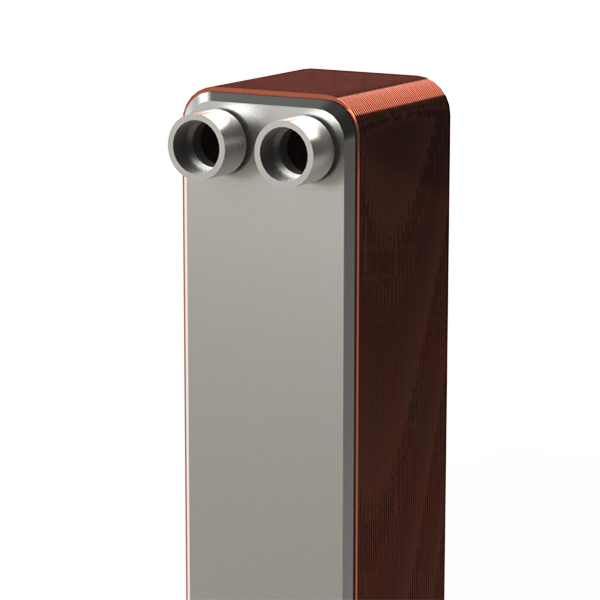
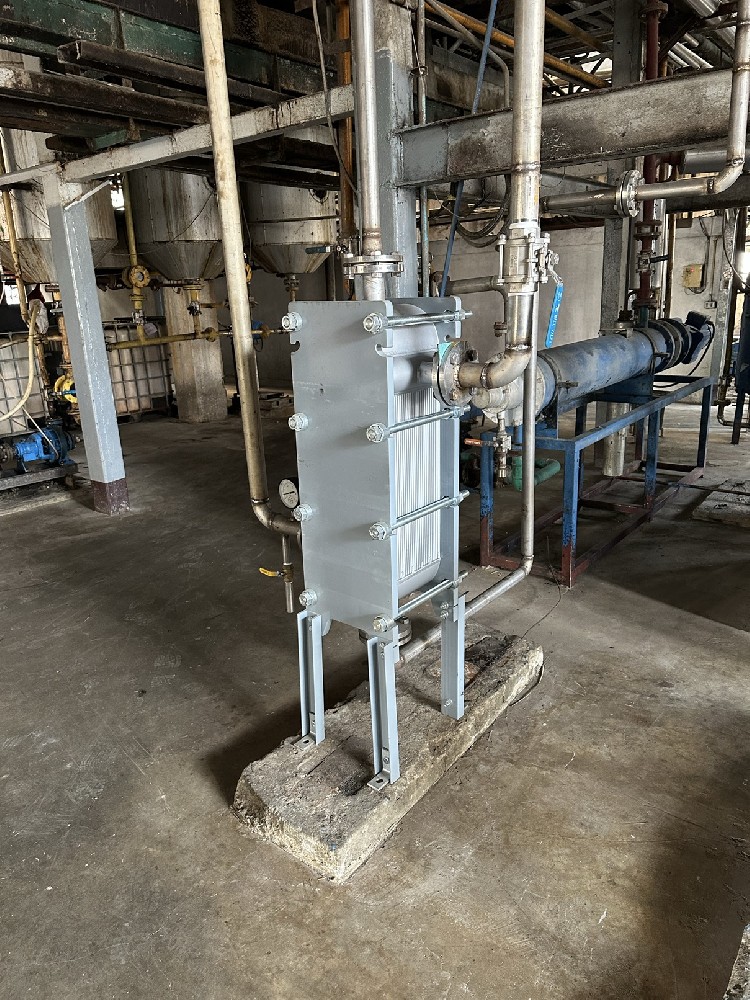
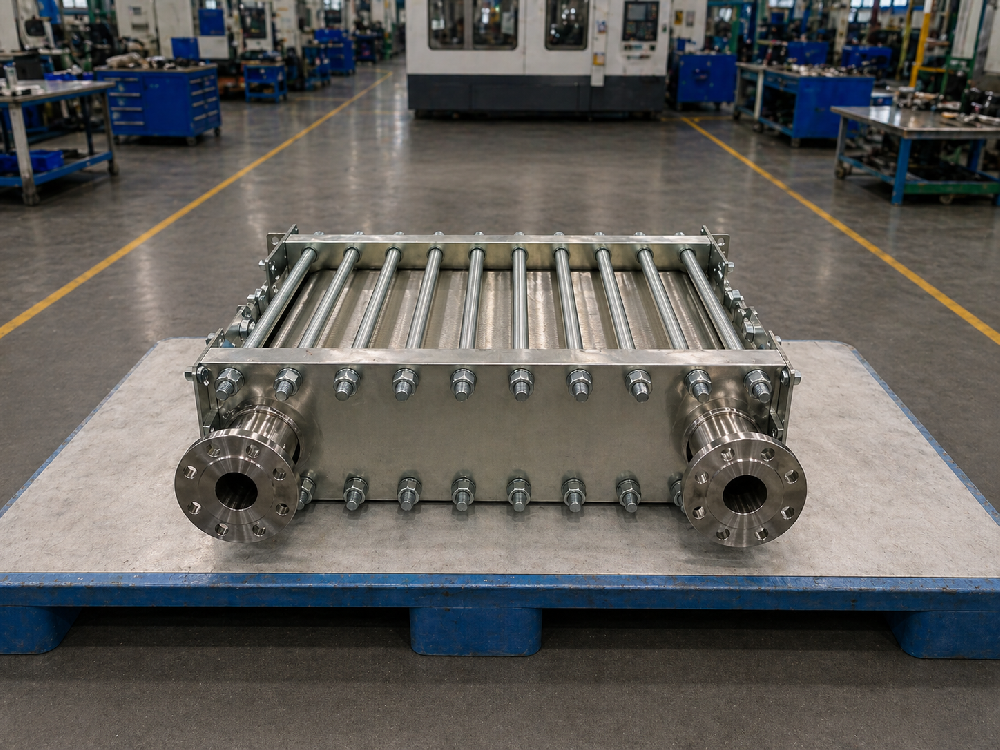
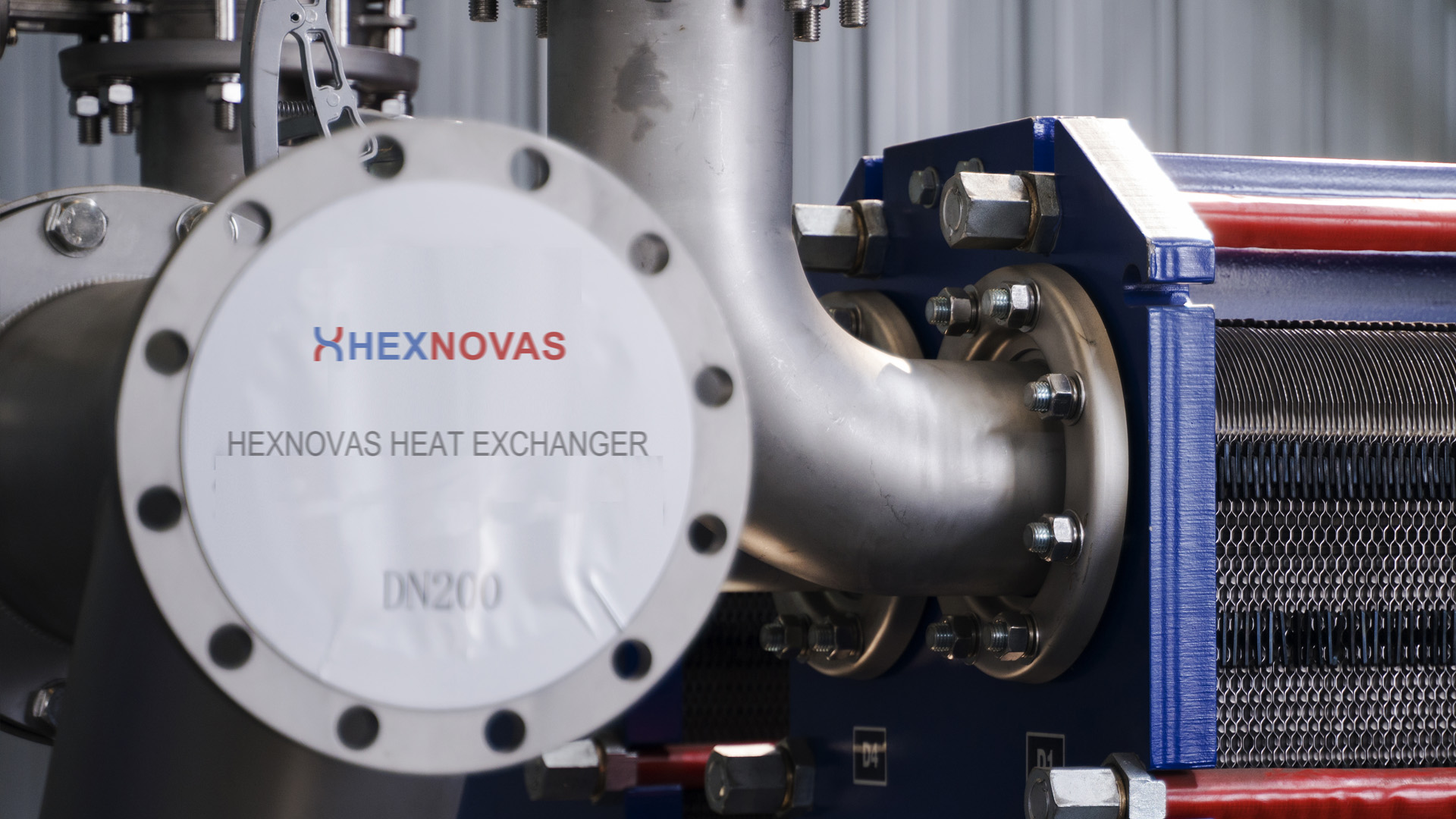
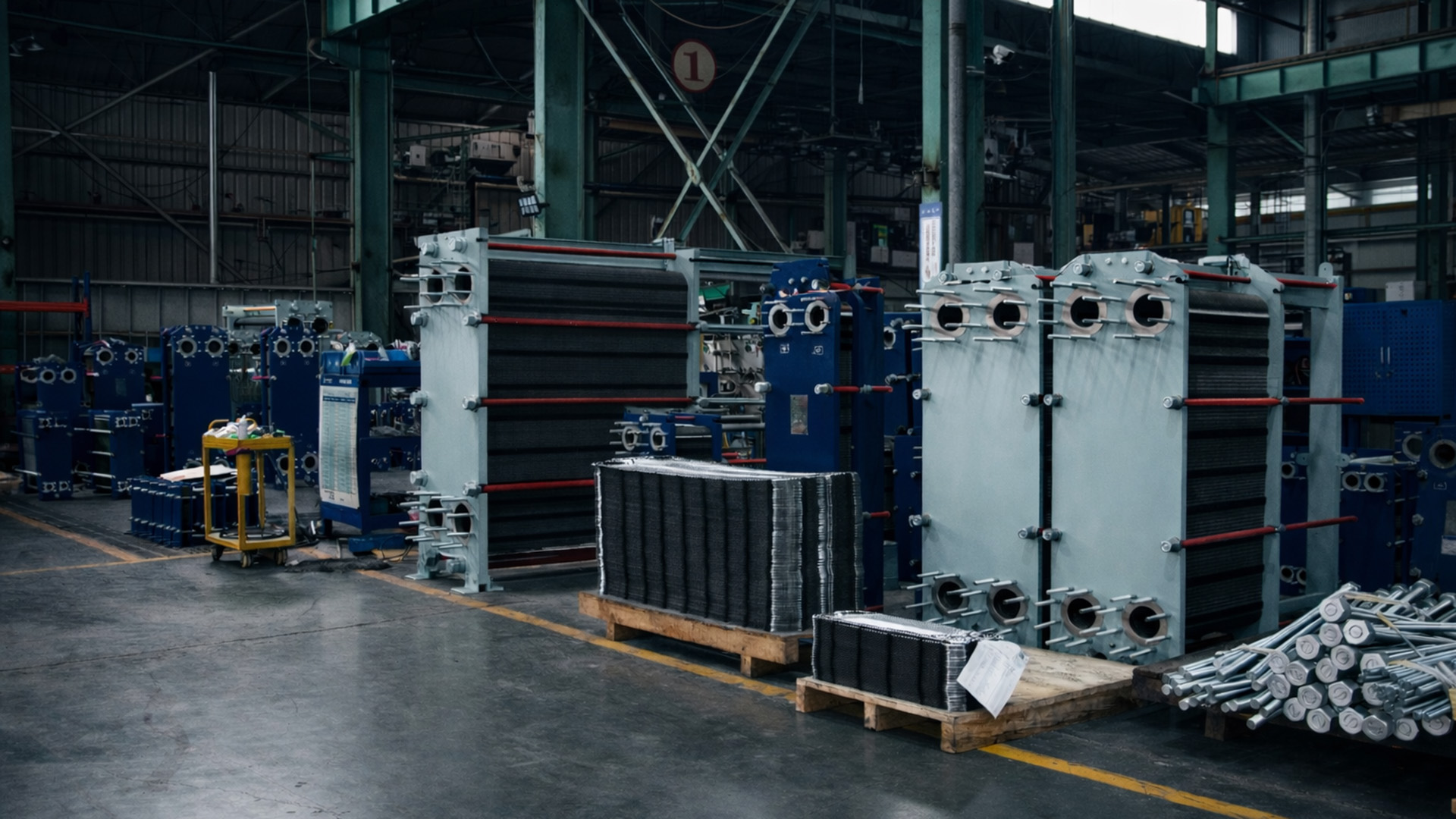
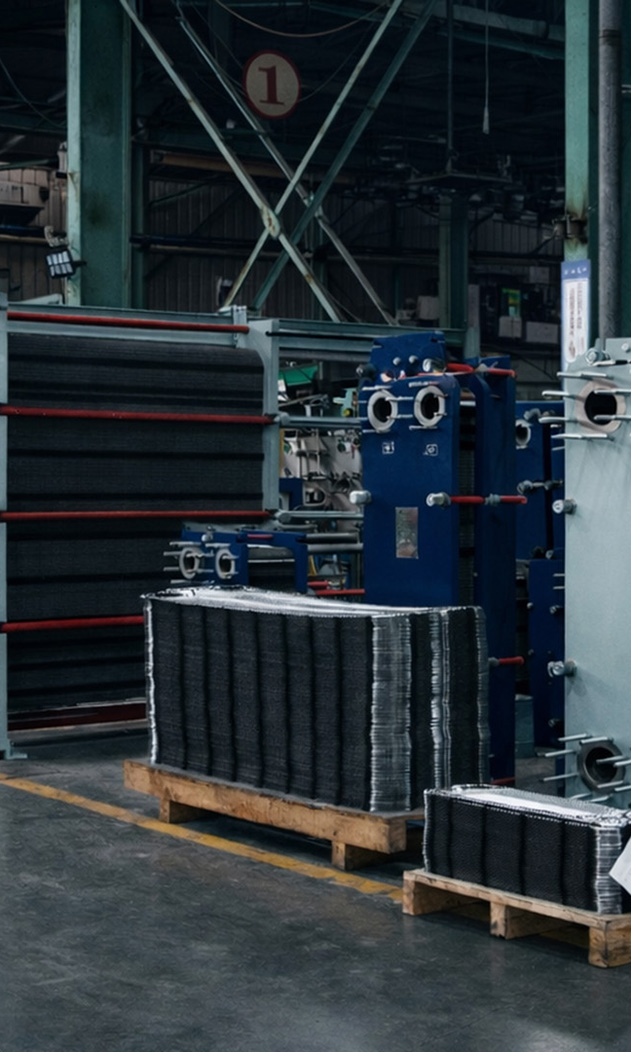
solution such as a Baode compact brazed plate
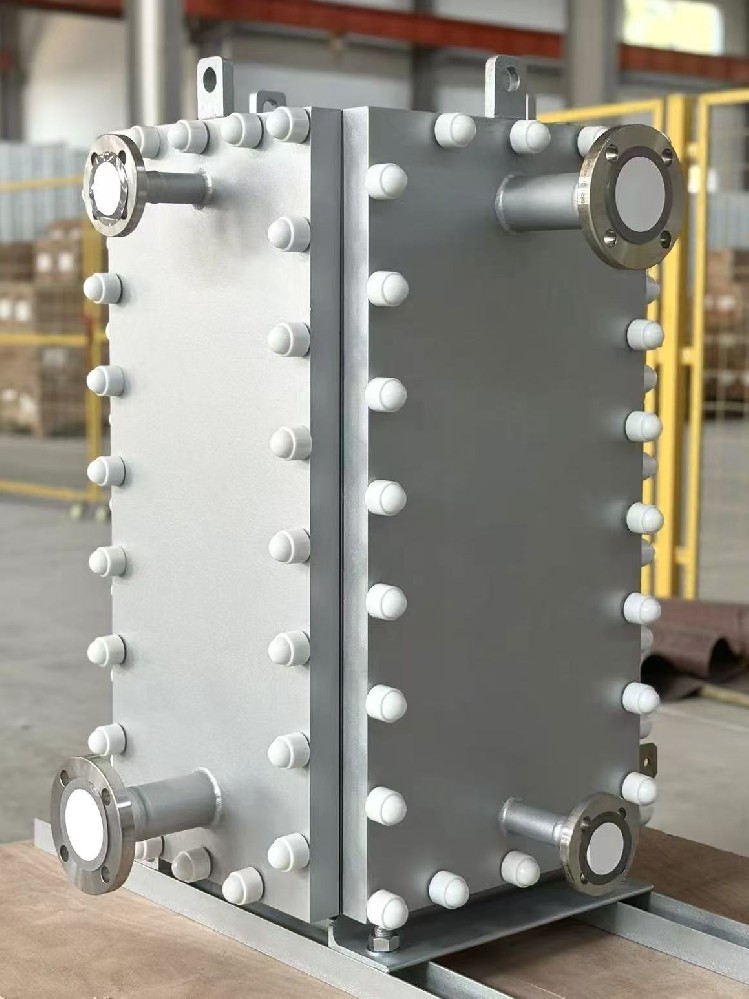
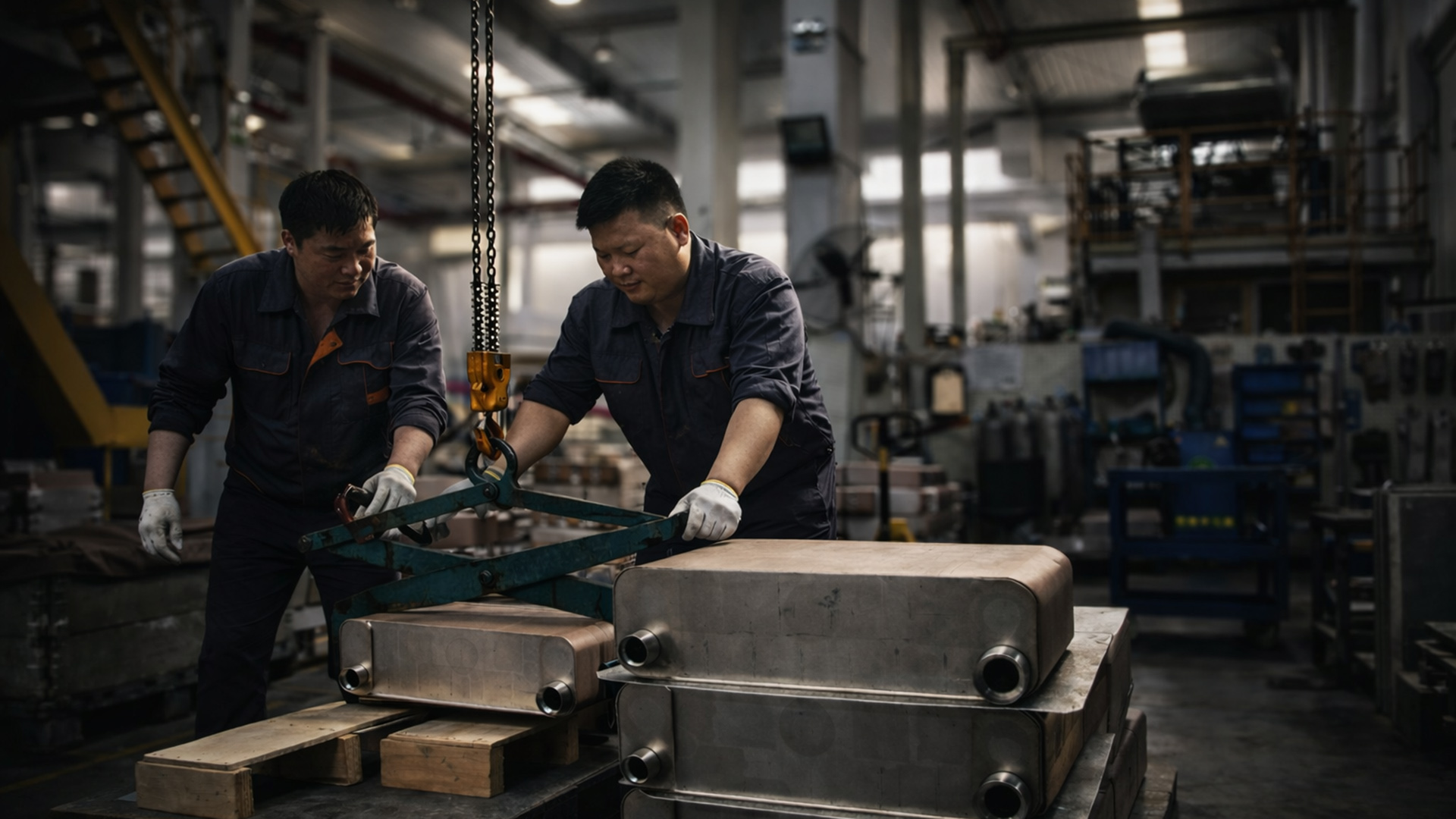
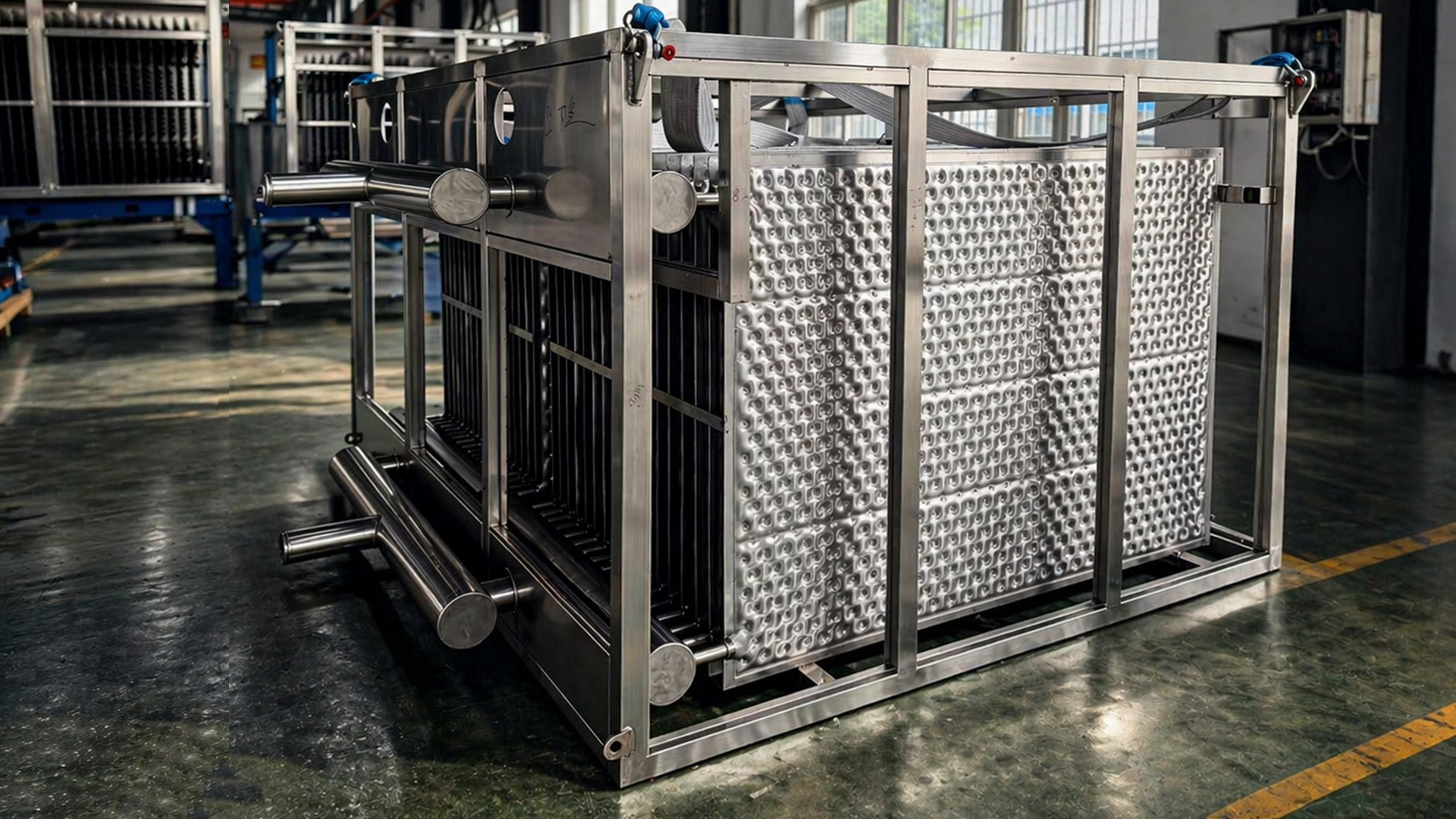
heat exchanger (BPHE). There are many uses for power. The same engine model can be found in many situations with very different applications. Large-scale engines with outputs ranging from kW to several MW can be used to propel marine vessels or to provide electricity and heat when the appropriate infrastructure is unavailable. Marine engine oil cooler Low-speed (~100 RPM) marine main propulsion engines are often two-stroke and run on heavy fuel oil. High power and reliability are top priorities for freighters. Medium (300-1000 RPM) and high speed (>1000 RPM) engines, mainly of the four-stroke type, are used for passenger ships and naval vessels. High-speed engines can also be fitted as auxiliary power production units parallel to the main propulsion engine. Marine vessels are often equipped with a fresh-water cooling circuit for internal cooling. The closed water loop is then cooled by seawater in a central titanium plate heat exchanger. Such internal water circuit systems mean stainless steel plates are also suitable for marine applications, but impose severe requirements on efficient heat exchange at small temperature differences. Electricity and cogeneration applications Engines dedicated to electric power and heat production can be used for continuous energy production at remote settlements, for emergency power for hospitals, in mobile power packs, for peak production of electric power, etc. Electric generator systems use an alternator to produce electric power at an efficiency approaching 40% without heat recovery. Cogeneration plants improve their total efficiency, and therefore their operating costs, with highly efficient heat exchange solutions that utilize more of the available high-grade heat. Cogeneration plants also collect thermal energy from the intercooler, jacket water, lubrication oil and exhaust gas via heat exchangers to produce hot water. This allows the total energy utilization efficiency of cogeneration plants to reach 90%. Some cogeneration plants are connected to an absorption chiller system where the engine's waste heat is used to drive the generator of the absorption system. Such a system will convert the combustion heat of the fuel into electricity and high quality cooling. CBEs as lube oil coolers Compact brazed plate heat exchangers (BPHEs) offer a state-of-the-art solution for engine oil cooling. These compact and self-supporting heat exchangers also have a low hold-up volume. This means that the total heat exchange package weighs much less than other available technologies. True countercurrent flow, as found in Baode's BPHEs, permits extremely small temperature differences and accurate control of the oil temperature. CBEs offer better responsiveness and more efficient heat exchange in a lighter, smaller package. The BPHE is therefore favored over competing heat exchanger technologies in large modern engines pursuing high power-to-weight and power-to-space ratios combined with reliability and low fuel consumption. The predictable performance of a Baode BPHE makes it possible to design the lube oil temperature program for optimal protection and oil life. CBEs may need to be adapted to the engine's particular environment. In the case of Baode BPHEs, this may include the use of flexible hoses or special connections such as connection plates to avoid mechanical fatigue. Connection plates are all-stainless plates that are brazed on the outside of the unit and fitted with SAE flange fittings. This solution provides a very strong and durable connection that allows assembly of the BPHE oil cooler on the engine block itself. Hydraulic Oil Cooler
Mechanical
power is used in a variety of applications such as
pumps, motors and valves. The mechanical power can be
generated in various ways, and electrical as well as
pneumatic systems are alternatives to hydraulic power
generation systems. The main components of a typical basic hydraulic system are a pump, a valve and a hydraulic cylinder. The pump converts a small amount of mechanical power into hydraulic power, the valve controls the hydraulic oil flow and the hydraulic cylinder converts the hydraulic power into a large amount of mechanical power. The hydraulic oil becomes hot during operation. It is essential to maintain the hydraulic oil at the appropriate temperature because this:
In hydraulic applications as varied as hamburger machines and tunnel drills, cooling is provided by means of water or brine through heat exchangers such as Baode BPHEs.
Cogeneration systemsCogeneration systems produce both electricity and heat during the operation of a combustion engine. Engines dedicated to electric power and heat production can be used for continuous energy production at remote settlements, for emergency power for hospitals, in mobile power packs, for peak production of electric power, etc.
Electric generator systems use an alternator to
produce electric power at an efficiency
approaching 40% without heat recovery.
Cogeneration plants improve their total
efficiency, and therefore their operating costs,
with highly efficient heat exchange solutions
that utilize more of the available high-grade
heat. Cogeneration plants also collect thermal energy from the intercooler, jacket water, lubrication oil and exhaust gas via heat exchangers to produce hot water. This allows the total energy utilization efficiency of cogeneration plants to reach 90%. Some cogeneration plants are connected to an absorption chiller system where the engine's waste heat is used to drive the generator of the absorption system. Such a system will convert the combustion heat of the fuel into electricity and high quality cooling. BAODE's BPHEs are suitable for cogeneration systems with heating capacities up to 1200 kW and electrical capacities up to 1000 kW กก |
|